Open Today Sales: 8:30 AM-8 PMOpen Today Service: 7 AM-7 PM




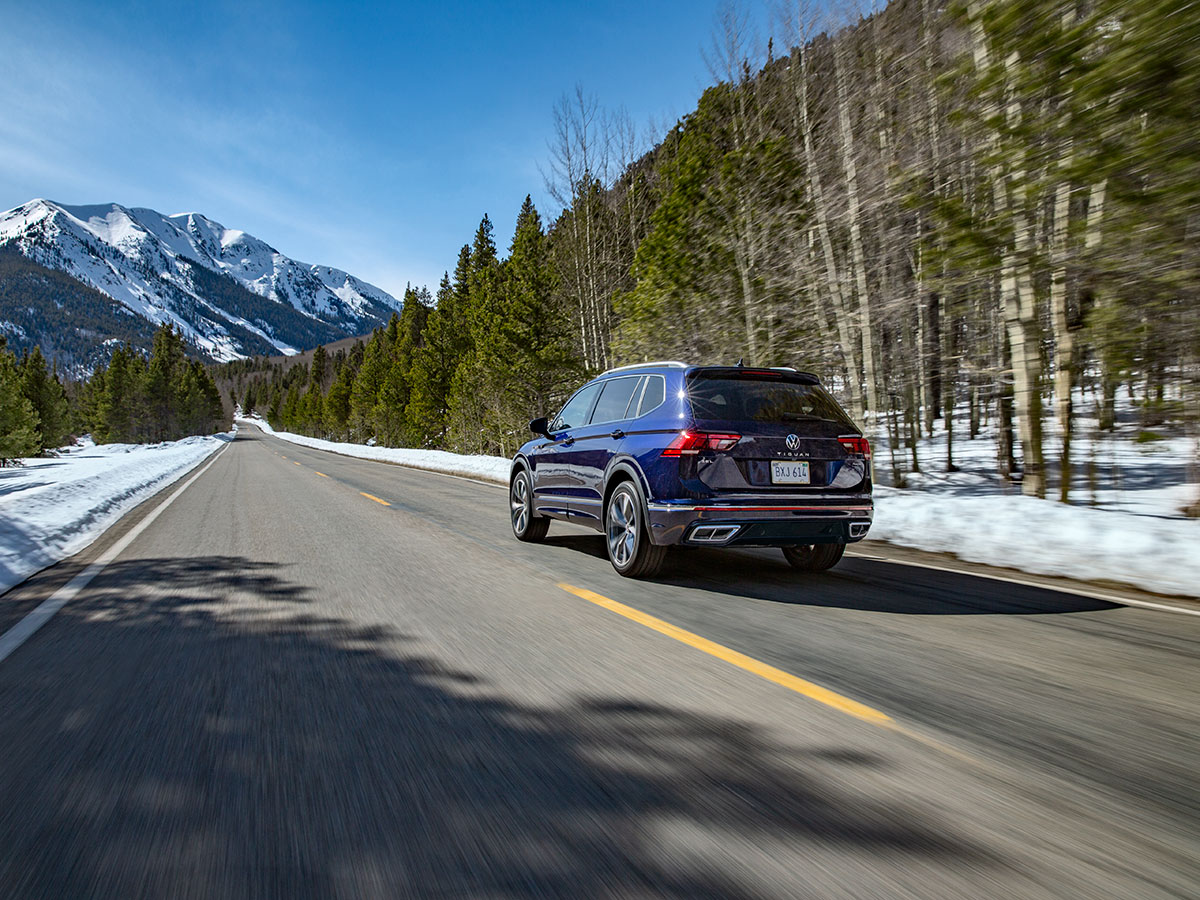
You might not think of winter weather when you think of driving around Texas — but when historic winter storms hit the Austin area, millions can go without power or reliable transportation. Make sure your vehicle is ready for whatever Mother Nature throws at you! Whether you’re planning a road trip to a colder climate or you just want to be prepared for the next winter storm, the team at Hendrick Volkswagen Frisco has the information you need. Below, we’ve compiled a list of important things to check when winterizing your VW vehicle. Give us a call and speak to a factory-trained Volkswagen expert in our state-of-the-art service center in Frisco, TX today!
For the daily drive, even in light rain and snow, all-weather tires will be sufficient. Just check to make sure they’re properly inflated and have enough tread remaining. If one or more of your tires has a leak and isn’t able to stay inflated, or if the tread has worn down, be sure to have them replaced in our service center. If you’re planning on driving in heavy snow, you’ll also want to consider adding chains or upgrading to show tires instead.
Cold weather can cause your car’s battery to weaken, making it harder to get the engine started! Before the cold weather arrives, have a technician perform a battery health test. Even if your battery is starting your car just fine in the summer, it may not be up to the task of starting your engine in freezing temperatures. A battery health test can determine if your battery is ready for the road ahead or if it’s time to install a replacement.
The brakes on your car are always one of the most critical safety features, and only more so in winter! Wet or icy roads can increase stopping distances and cause you to slide. Have your brake system inspected to ensure your brake pads are in good shape. If they need to be replaced, we’ll install genuine OEM replacement pads for the longest life, quietest operation, and most reliable braking performance.
Have your wiper blades inspected, or simply have them replaced if they’re streaking, smearing, or clattering across the windshield. The wiper blades are essential to ensure your visibility in snowy conditions.
Not all windshield washer fluid is rated for winter weather. Some washer fluid for sale in the Southern and Southwestern US may freeze in below-freezing temperatures. Ensure your system is equipped with cold-weather washer fluid that won’t freeze in the lines.
Be sure to have your vehicle’s heating system checked before a drive in wintry weather. The heater does more than keep you and your passengers comfortable in the cabin. The heater also runs the defroster, helping remove ice and fog from your windshield so you can see as you drive. Driving in the snow without a working heater is not only uncomfortable, but it can also be unsafe!
Most modern engine coolant (AKA antifreeze) is rated for sub-zero temperatures. However, you should ensure your engine is filled with a proper coolant as some cheap coolant fluids may freeze in cold temperatures, causing the engine to seize. This could lead to catastrophic engine damage.
Winter weather can cause small chips and cracks in your windshield to grow over time. As the temperature falls, the glass contracts, causing a small chip to develop into a major crack that can obscure your vision. Get windshield chips fixed right away, or be prepared to have the whole windshield replaced for ideal visibility.
If something goes wrong with your vehicle and you find yourself stranded in a snowstorm, make sure your roadside emergency kit is equipped with some warm weather essentials. Consider packing gloves and a thermal blanket for warmth, an ice scraper for clearing ice and snow off the windshield, and a bag of salt or sand to help with traction in the event your vehicle becomes stuck in the snow.


Hendrick Volkswagen Frisco, Texas 121, Frisco, TX, USA